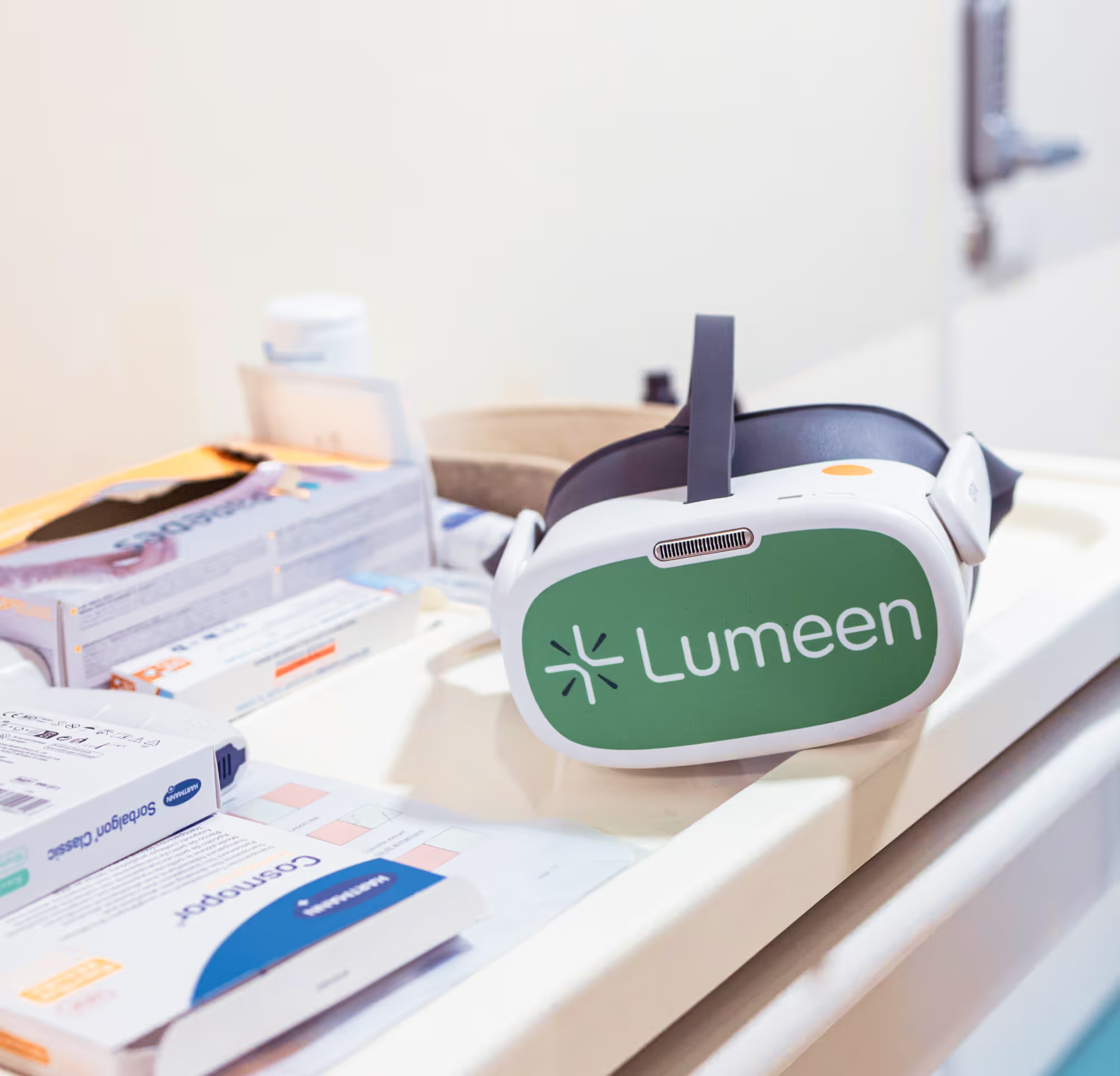
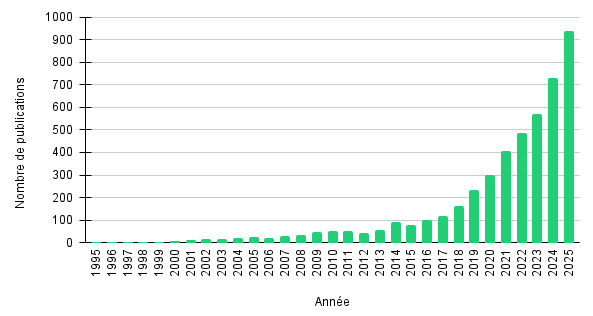
30 years of research have proven the effectiveness of virtual reality.
.svg)
Up to
of reduction*
.svg)
Up to
of reduction*

Up to
of reduction in opioid use*
The Foundations of Our Research Strategy
At Lumeen, we believe in the value of scientific evidence.Since our creation, we have been committed to clinical research and impact measurement around three main areas:

Co-construction
Our research is developed in close synergy with hospital and university teams, also relying on the expertise of caregivers present in our team, in order to anchor innovation in the reality of clinical and medico-social practices.
.svg)
Integrity
Each study conducted with Lumeen respects the highest standards of methodological rigor and scientific independence, in order to produce reliable, credible and recognized results.

Sharing
By sharing our work and results, we aspire to actively contribute to the progress of research and to the emergence of new immersive and non-drug therapeutic approaches, at the service of patients' well-being.
Our clinical results
clinical studies carried out
usage studies
clinical studies in progress
Study on the Tolerance of virtual reality care homes
tolerance and acceptance of the Lumeen device among elderly people cognitive disorders in care homes
A Study on the Effects ofanxiety virtual reality to Manage pain anxiety virtual reality painful procedures
pain anxiety treatment in the VR group compared to the control group
Study of the Efficacy of Lumeen in Reducinganxiety in Surgery
Some patients are experiencing the benefits of virtual reality
Healthcare professionals are satisfied with the device's effects on patients
Evaluation of the Clinical Benefits of Lumeen Relaxation Dialysis
Some patients reported a significant reduction inanxiety the session
ly increasing well-being
to enhance the experience during the session

Number of patients who experienced pain during embryo transfer

Our impact measurement challenges
As a non-drug intervention

Environmental impact
Towards a more sustainable and responsible healthcare
Lumeen wants to contribute to medication sobriety and to the reduction of the carbon footprint associated with polluting anesthetics.
Anesthetic gases, such as desflurane, have a global warming power up to 2,500 times greater than CO₂, while some intravenous anesthetics can end up in water.
By integrating Lumeen as a complement or alternative to pharmacological products and medical gases, it is possible to reduce the use of substances with a high environmental impact and to contribute to a more eco-responsible hospital practice.

Medico-economic impact
Optimizing the patient journey and hospital resources
In many care pathways, virtual reality significantly reduces the use of medications, thus limiting their side effects. In some cases, it also reduces the need for medical equipment.
It also makes it possible to reduce the time spent in the post-interventional monitoring room, promoting faster patient turnover and better fluidity of care.
These combined effects can generate a positive return on investment for institutions and the healthcare system, while improving the patient experience.
Our ambition is to precisely measure these benefits over time in order to demonstrate that Lumeen can not only have a positive clinical and ecological impact, but also contribute to substantial savings for healthcare facilities.
Do you want to carry out a research and/or impact measurement project?
We're here to support you:
Did you know ?
Virtual reality, recognized as a non-drug intervention (INM) by the Médéric Alzheimer Foundation
Non-drug interventions, recommended by the French Haute Autorité de Santé (HAS), contribute to the prevention of loss of autonomy.
The benefits of virtual reality have been demonstrated:
- Improvement of cognitive skills- Reduction in psychobehavioral disorders
- Improvement of social interactions and quality of life
Consult the guidebook Non-drug interventions and Alzheimer's disease: understanding, knowing, implementing 2024 edition from the Médéric Alzheimer Foundation to learn more.